
Storing bird's nests during the rainy and humid season: how to prevent mold, periodic inspection, and handling when nests are damp
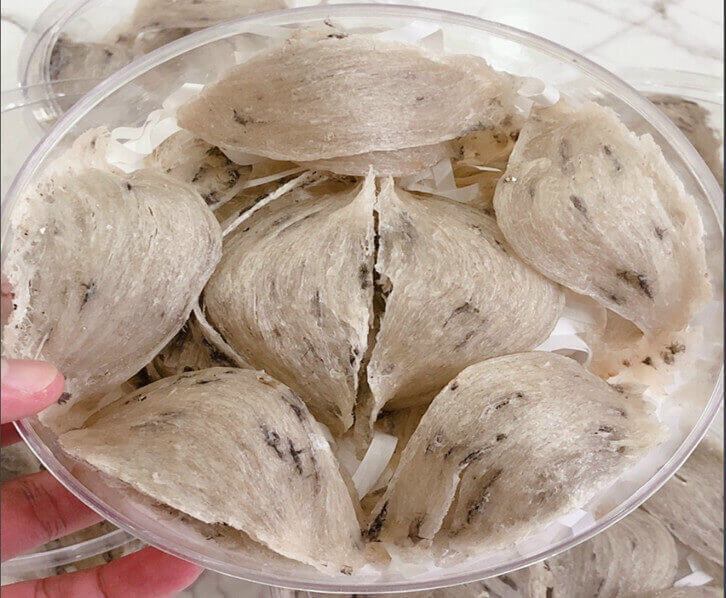
Dried bird's nests are very "humidity-sensitive": moisture in the air can make the nests soft, sticky, attract dust, and create conditions for mold growth. In many places, the rainy season and damp days are high-risk periods. This article focuses on practical measures to preserve dried nests: choosing a storage location, packaging, how to handle nests, inspection schedules, and treatment when suspicion arises. General principles have been presented in the article proper longan nest preservation; this article delves into the humid season. Specific expiration dates should follow what the manufacturer states on the packaging.
Why is the rainy and damp season more difficult?
- High air humidity causes dried bird's nests to absorb water slowly but continuously.
- Warm and humid temperatures provide favorable conditions for mold.
- Walls, floors, cabinets are damp; cabinets near stoves, sinks, and windows are more prone to moisture.
- Opening boxes frequently allows humid air to enter.
Choose a place to store the nests.
- Dry, well-ventilated place, avoid sunlight: top shelf of the cabinet, away from damp walls and away from the stove and sink.
- Avoid placing directly against walls or floors: raise it a little for ventilation.
- Avoid foods with strong odors (onions, dried fish, spices) because bird's nest can absorb the smell.
- Air conditioner or dehumidifier: helps stabilize humidity; measured with a hygrometer if available.
Packaging and Moisture Protection
- Sealed box or bag: airtight plastic box, thick zip bag, clean dry glass jar.
- Inner bag layer: wrap the bird's nest in a sealed bag before putting it into the outer box, adding an extra layer to block moisture.
- Food-grade desiccant pack: place it outside the bird's nest bag or in the box, but do not let it touch the nest directly; replace according to the product's instructions. Do not use unknown desiccant packs.
- Portioning: if buying a large box, divide it into multiple small airtight containers and only open each portion gradually; see how to choose the right size bird's nest box.
How to take bird's nest without making it damp
- Wash hands thoroughly, dry completely; use a clean, dry spoon or tweezers.
- Take the needed amount and close the lid immediately, pressing out excess air if using a bag.
- Do not put soaked or wet bird's nest back into the box.
- Do not open the box in a kitchen while cooking, where there is a lot of steam.
Suggested inspection schedule
- Humid season: check quickly every 1–2 weeks; in the dry season, inspection can be less frequent.
- Check for: unusual smell, sticky bird's nest, abnormal softness, mold spots, damp packaging.
- Write the date of opening on the packaging for easy tracking.
If the bird's nest is suspected to be damp
- Not moldy, just slightly soft: it should be used soon; do not try to "sun-dry" or dry at home because it can deform and is not hygienic.
- Strange smell, mold spots, sticky: do not use; do not "remove mold to continue using." See how to recognize spoiled bird's nest.
- Purchased within expiration but spoiled: keep the packaging, take photos, contact the seller according to warranty and return policy.
Cooked bird's nest and ready-to-eat bird's nest
Cooked dishes spoil more easily than dried bird's nest; store in the refrigerator, cover tightly, use soon, and do not leave out overnight at room temperature. Opened ready-to-eat bird's nest should be consumed within a short time according to the instructions on the jar; see ready-to-eat vs. self-cooked bird's nest.
Tips to avoid
- Storing bird's nest in a fridge that is not airtight: the fridge can be humid, use a very tightly sealed container or ask the manufacturer.
- Putting rice, salt, or charcoal in the container: easily makes it dirty and does not ensure hygiene.
- Drying in the sun or re-baking at home.
Frequently Asked Questions
Should bird's nest be stored in the fridge?
Only when the container is completely sealed and the manufacturer allows it; when taking it out, let it reach room temperature before opening to avoid condensation.
Does bird's nest lose nutrients if stored for a long time?
There is no simple conclusion; what matters is that it is still within the expiration date and not spoiled.
Related articles: guide to using bird's nest · preserving bird's nest · distinguishing real and fake bird's nest · safely buying bird's nest online.
Note: Bird's nest is a food, not medicine, and does not have the effect of replacing medicine for treating diseases. The information in this article is for reference only and does not replace advice from doctors or nutrition experts. People with a history of food allergies, those undergoing treatment, or those who need to control blood sugar should consult a doctor before use. Individual responses may vary.
You can view Yến Sào Quang Minh's bird's nest products or call the Hotline 0963 11 59 52 (Ms La) to get answers about the product specifications.