
Swiftlet farming and birdhouses: legal conditions and policies to understand before investing
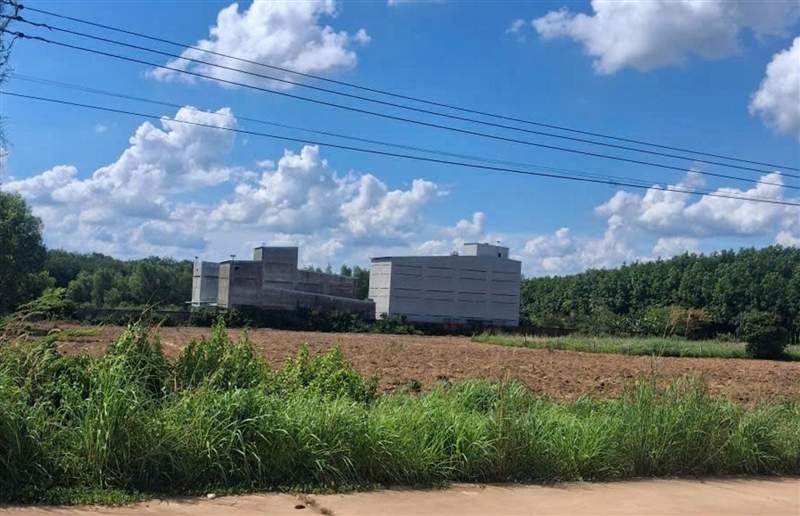
Raising swiftlets is often seen as an attractive investment direction, but a swiftlet house is not like an ordinary civil construction: it requires a stable living flock, relating to planning, noise, veterinary care, and food safety. Many risks arise because investors build first and only inquire about procedures afterward. The article organizes the groups of issues to investigate, along with suggestions on whom to ask and what to ask. Regulations in each province may differ and can be adjusted over time, so the article is only meant as a guideline and does not replace legal advice or instructions from local authorities.
1. Planning and location for building a swiftlet house
Local authorities may regulate areas where swiftlet houses are allowed and not allowed to be built, as well as the minimum distance from residential houses, schools, hospitals, or other production facilities. Areas with planned concentrated breeding zones often help reduce conflicts with residents. It is advisable to work with agricultural management, construction authorities, or the local commune/ward government where you plan to build before purchasing land or renovating a house.
2. Noise and surrounding environment
Many swiftlet houses use speakers to emit enticing sounds. The intensity and duration of the sound, if not controlled, may affect nearby residential areas, and this is a common cause of complaints. Appropriate equipment and timing should be chosen, complying with local noise regulations. Bird droppings, odors, and insects also need to be managed properly.
3. Veterinary care and disease prevention
Birdhouses that raise animals should be regulated by the 2015 Veterinary Law and its guiding documents. Breeders should proactively clean and disinfect regularly, monitor the health of the bird flock, and make notifications in case of unusual signs according to veterinary guidance.
4. Food safety and processing
Harvested bird's nests are food ingredients. Processing and packaging facilities must meet food safety conditions according to their scale and type; see details in the article food safety with bird's nests. If planning to export, the documentation requirements are even higher, see edible bird's nest export.
5. Protection of wild animals
Wild swifts are protected from illegal hunting. Legal swiftlet farming involves attracting flocks to a nesting house, which is different from hunting, trapping, or destroying island nests. You can read more in the article The Government Bans Hunting Swiftlets.
6. Business registration, taxes, and invoices
Households or businesses selling bird's nests need to register their business appropriately and fulfill their tax and invoicing obligations. Tax policies for agricultural products may vary depending on the type and period, so consult the tax authorities or an accountant.
7. Support programs that can be referenced
Some localities have agricultural extension programs, technical training, interest rate support, or OCOP programs (one product per commune) that help standardize products and branding. Support levels vary, so check directly with the Department/Office of Agriculture, agricultural extension centers, or local associations. Joining a cooperative or association helps stay updated with information and share the cost of applications; see the role of the swiftlet bird’s nest association.
Checklist before investing in a swiftlet house:
- Confirm zoning and distance from residential areas at the local authority.
- Survey the environment: insect sources, water sources, pollution, surrounding noise.
- Make a plan to control noise, odors, and sanitation.
- Prepare plans for disease prevention, natural enemies, drainage, and ventilation.
- Learn about food safety procedures if self-processing or selling directly.
- Preparing capital and time: swiftlets require time to stabilize, results vary for each project, and fixed yields should not be expected.
Frequently Asked Questions
Do you need a permit to build a swiftlet house?
It depends on local construction and planning regulations. Check with the commune/district authorities and the construction management agency before starting construction.
What if neighbors object?
It is advisable to discuss early, control noise and hygiene, comply with regulations; if there are complaints, it is necessary to coordinate with the competent authorities to resolve them.
Note: Bird's nest is a food, not medicine, and does not replace medical treatment. The information in this article is for reference only and does not replace advice from doctors or nutrition experts. Individual responses may vary.
You can view Yến Sào Quang Minh's bird's nest products or call the Hotline 0963 11 59 52 (Ms La) to get answers about the origin and specifications of the products.