
Bird's nest turning yellow or changing color after soaking: when is it normal and when should you be cautious
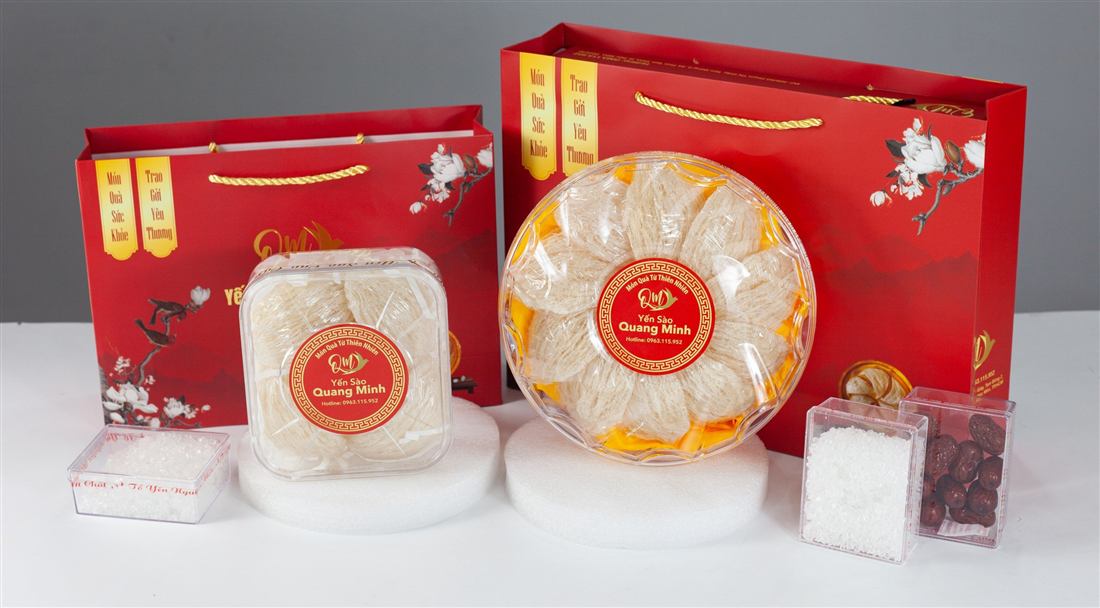
After soaking, you may notice the water turns slightly yellow or the bird's nest has an ivory, slightly yellow, or even slightly pink color. A familiar question arises: "Is it spoiled? Has it been dyed?" Color is the easiest thing to observe but also the easiest to misinterpret. This article helps you distinguish common color changes from signs that really need caution. Color is only a reference; to be sure, you need to know the source and conduct proper testing.
Why can bird's nests have color?
- Natural color of the nest: bird's nests are not uniformly white; they can range from ivory to pale yellow depending on the nest house, environment, and time.
- Impurities and tiny dust in the nest: when soaked, they can dissolve into the water causing it to be slightly cloudy or lightly colored.
- Minerals and environmental conditions: affect the color of some nests, see what is a blood bird's nest.
- Soaking water: water with many sediments or strong disinfectants can affect color or smell.
Common phenomenon and usually normal
- The soaking water turns very light yellow or slightly cloudy when soaking raw bird's nest, because impurities dissolve.
- The bird's nest is slightly ivory or light yellow, uniform.
- A few strands are a bit darker due to their position in the nest.
The above does not automatically mean spoilage. The important thing is that there is no strange smell and the surface is not sticky.
Signs to be cautious about
- Water turning red, orange, or dark yellow: may be due to coloring agents or dyeing. See risks in the article what is blood bird's nest.
- Streaked colors, gray, black, or green patches: may be mold.
- Sour, rotten, chemical smell accompanied by color change.
- Sticky, adhesive, or scummy surface.
- Abnormally white, overly bright nest: may have been improperly bleached; check the source.
Step-by-step inspection method
- Soak in clean water in a clear glass bowl for easy observation; change the water once to see if the second water still shows color.
- Smell: clean bird's nest has a very mild scent; an unusual smell is a signal to stop.
- Observe the surface: check for slime, mold spots, or unusual stickiness.
- Compare with the previous batch (if you have used the same source): a noticeable difference is worth questioning.
- If in doubt: stop using it, take photos, keep the packaging, and contact the seller.
Home tests (burning, soaking in chemicals) are unreliable and can be dangerous; rely on records, see distinguishing real and fake bird's nest and how to read test reports.
Prevention
- Buy bird's nest from sources with clear origin and records.
- Store in a dry place, see how to store bird's nest properly.
- Use clean water for soaking.
Frequently Asked Questions
Does yellow soaking water mean the bird's nest contains coloring agents?
Not necessarily; very light gold is often due to impurities. A distinctly dark color requires caution.
Should the soaking water be discarded?
It is usually recommended to discard the soaking water and use clean water for steaming, according to the product instructions.
Related articles: guide to using bird's nest · preserving bird's nest · distinguishing real and fake bird's nest · safely buying bird's nest online.
Note: Bird's nest is a food, not medicine, and does not have the effect of replacing medicine for treating diseases. The information in this article is for reference only and does not replace advice from doctors or nutrition experts. People with a history of food allergies, those undergoing treatment, or those who need to control blood sugar should consult a doctor before use. Individual responses may vary.
You can view Yến Sào Quang Minh's bird's nest products or call the Hotline 0963 11 59 52 (Ms La), message Zalo to get answers about product specifications.