
Kitchen tools needed to prepare bird's nest at home: tweezers, sieve, steaming bowl, micro scale, and how to choose the right type.
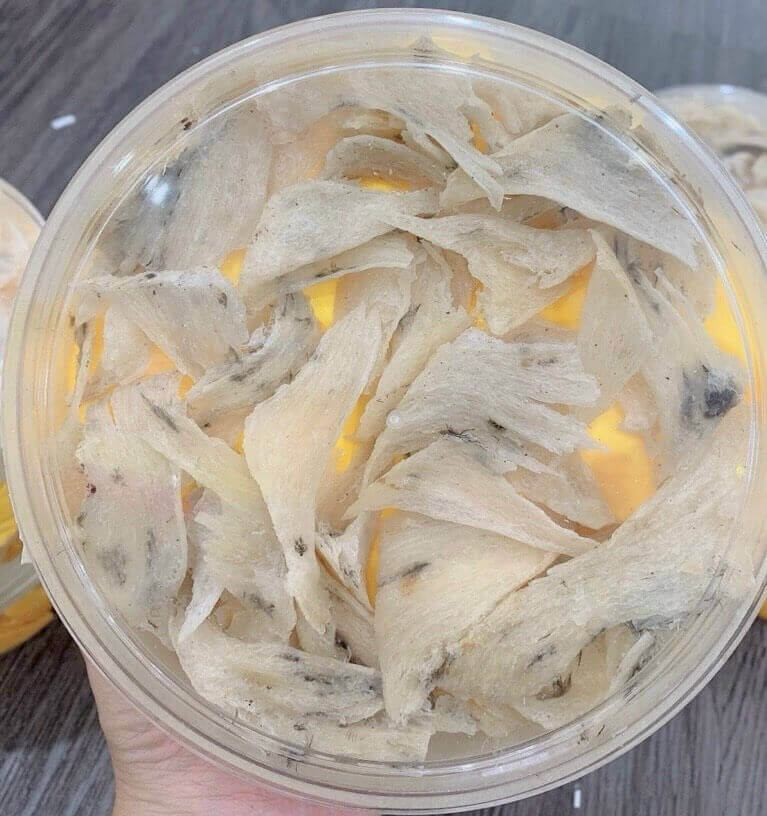
You don't need many expensive tools to prepare bird's nest, but a few properly chosen items will make picking feathers, soaking, steaming, and storing easier and cleaner. The article lists recommended tools, selection criteria, and things you can skip. No specific brand mentioned.
1. Pointed stainless steel tweezers
Used for picking out feathers and small impurities. Choose stainless steel tweezers, rust-proof, with tight tips (the two points meet precisely), and a medium spring to avoid hand fatigue. Wash clean, dry thoroughly, and avoid moisture that may cause rust. Instructions for use can be found in the article how to pick feathers from raw bird's nest at home.
2. Fine mesh strainer
Used to scoop and drain the bird's nest after soaking without breaking the fibers. Choose a stainless steel fine mesh strainer with a sturdy frame; avoid meshes that are too sparse as they may allow fibers to slip through. A strainer a few dozen centimeters in size is enough for household use.
3. Bowl or steaming cup with lid
- Material: porcelain, heat-resistant glass, or stainless steel can all be used; do not use plastic that is not heat-resistant.
- Tight lid to prevent condensed water from falling into the jar.
- Size: small bowls for each person are easier to control than large pots.
- Porcelain and glass retain odors less than plastic.
4. Double boiler or bird's nest steaming pot
You can use a regular pot with a rack, a rice cooker, or a specialized steaming pot; see the comparison at which pot to use for steaming bird's nest.
5. Precision scale (small electronic scale)
Helps you measure the correct amount of dried bird's nest (in grams) and compare costs accurately. Choose a scale with a fine division (e.g., 0.1 g) and a tare function. Place it on a dry, flat surface. For cost calculation, see the cost of one bowl of bird's nest.
6. Clean dry spoon
Use separately for bird's nest to scoop dried nests from the container to avoid moisture. Stainless steel or food-safe plastic spoon; always dry before touching the dried bird's nest.
7. Airtight container and zip bag
To preserve dried bird's nest and portion it for later use, choose a tight-lidded, clean, dry container. See bird's nest storage guide and storage during the damp rainy season.
8. Bright light and white background
Picking out feathers on a bright background helps to see them more clearly; a white plate or bright tray is enough.
Unnecessary items
- Expensive equipment just to prepare a few bowls a month.
- Water or chemicals for "cleaning bird's nest" of unknown origin.
- Cheap plastic utensils that cannot withstand heat.
Cleaning and maintaining utensils
Wash immediately after use, rinse with clean water, dry; see details on cleaning utensils when preparing bird's nest.
Frequently Asked Questions
Do you need separate utensils for bird's nest?
Not required, but it is recommended to have separate tweezers, spoon, and box to avoid absorbing odors and grease.
What should be invested in first?
Good tweezers, fine sieve, and airtight box are the three most essential items.
Related articles: guide to using bird's nest · preserving bird's nest · distinguishing real and fake bird's nest · safely buying bird's nest online.
Note: Bird's nest is a food, not medicine, and does not have the effect of replacing medicine for treating diseases. The information in this article is for reference only and does not replace advice from doctors or nutrition experts. People with a history of food allergies, those undergoing treatment, or those who need to control blood sugar should consult a doctor before use. Individual responses may vary.
You can view Yến Sào Quang Minh's bird's nest products or call the Hotline 0963 11 59 52 (Ms La), message Zalo to get answers about product specifications.