
The journey from bird's nest to bird's nest bowl: main steps from the bird's nest house, harvesting, preliminary processing, packaging to the dining table
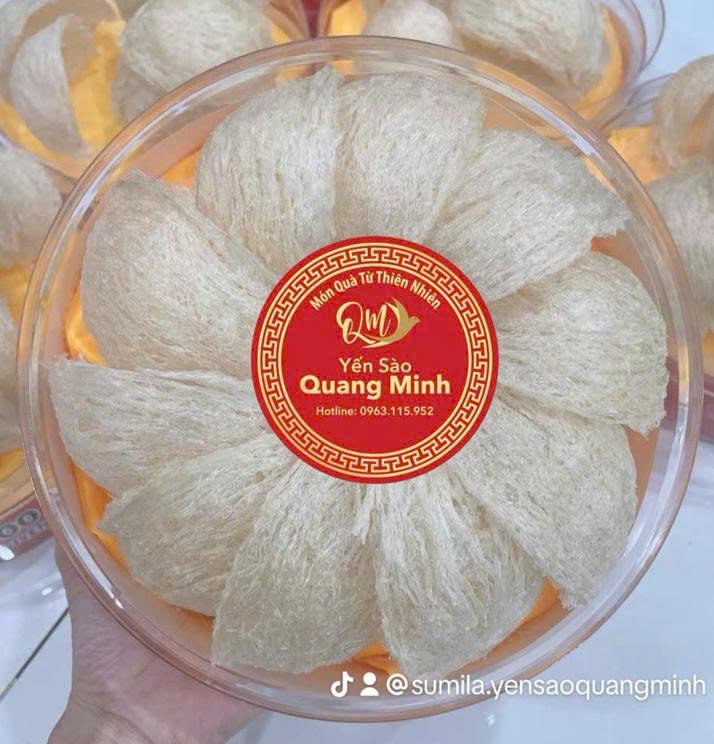
A bowl of bird's nest stew on the table is the result of many stages: from the birdhouse, through the hands of the harvester, the processing facility, testing, packaging, transportation, and finally to your kitchen. Understanding this journey helps you know where mistakes can occur at each step and what to ask when buying. The article describes 8 main steps in general; the specific process of each facility may vary.
Step 1: Birdhouse and bird colony
Swifts make nests in birdhouses with suitable environments, or in natural island caves. The initial quality depends on the surrounding environment, hygiene, and management. See bird-raising regions.
Step 2: Harvesting
The nests are harvested after the young birds leave the nest, handling is gentle and clean to minimize disturbance to the colony and contamination; see bird's nest harvesting season. Control points: clean tools, hygienic harvester, batch recording.
Step 3: Initial classification
The nests are sorted by cleanliness, shape, and color. Control points: batch recording, avoid mixing sources.
Step 4: Pre-processing
Soak to soften, pick out feathers, clean impurities, shape the nests. This step requires a lot of labor and determines the cleanliness of the product. Control points: clean water source, factory hygiene, workers; see food safety for bird's nest.
Step 5: Drying
The nests are dried for storage. The temperature and drying time affect the final shape and moisture content. Control points: even dryness, avoid mold.
Step 6: Testing and quality inspection
Take samples for testing by batch and perform a sensory check. See how to read test reports.
Step 7: Packaging and distribution
Pack in suitable packaging, label, note production date and expiration date; then transport to warehouse and point of sale. Control points: sealed packaging, dry warehouse; see bird's nest storage.
Step 8: Home preparation
Users soak, pick out remaining feathers, steam, cook; see how to soak bird's nest, how long to steam bird's nest and steamed bird's nest with red date and lotus seeds. Control points: clean water, clean utensils, storage of the dish after steaming.
Why does understanding this process help you buy better?
- The price of bird's nest reflects many stages, see why bird's nest prices vary.
- Each stage carries risks, so you should ask the seller about multiple stages, not just one.
- The more transparent the chain, the easier it is to trace when problems arise.
Questions to ask the seller:
- Which birdhouse is the nest taken from, and when was it harvested?
- Where and by what process is it processed, and what is the water source?
- Is there lot-by-lot testing?
- How is it packaged and stored, and what is the shelf life?
- What is the return policy? See warranty and return policy.
Frequently Asked Questions
Can the entire chain be handled by a single unit?
Yes, some businesses manage everything from the birdhouse to packaging; others buy raw materials from multiple sources. Ask clearly.
Which stage is most prone to risk?
There is no single answer; processing, drying, and storage are stages often noted for issues related to hygiene and mold.
Related articles: guide to using bird's nest · preserving bird's nest · distinguishing real and fake bird's nest · safely buying bird's nest online.
Note: Bird's nest is a food, not medicine, and does not have the effect of replacing medicine for treating diseases. The information in this article is for reference only and does not replace advice from doctors or nutrition experts. People with a history of food allergies, those undergoing treatment, or those who need to control blood sugar should consult a doctor before use. Individual responses may vary.
You can view Yến Sào Quang Minh's bird's nest products or call the Hotline 0963 11 59 52 (Ms La), message Zalo to get answers about product specifications.