
Edible bird's nest harvest season: why each birdhouse is different and how harvesting methods affect quality
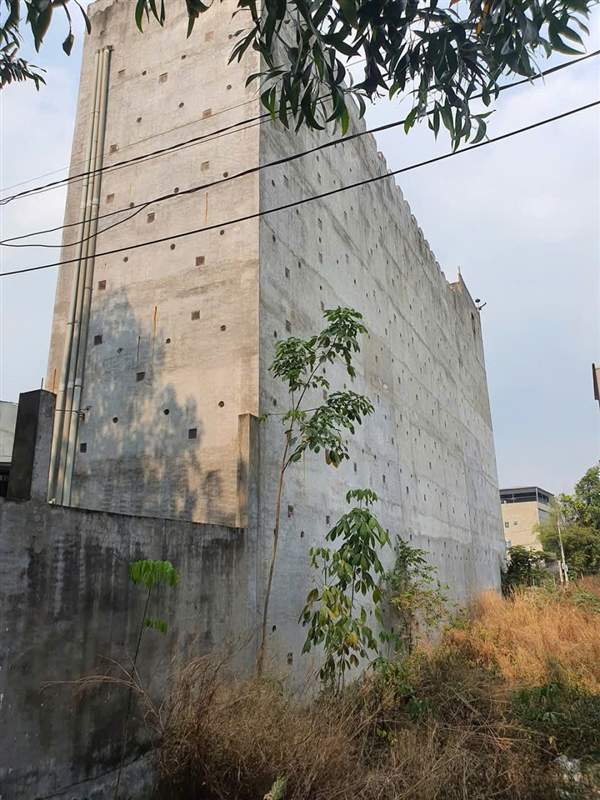
Many people ask: "Which month are the birds harvested?" The short answer is: there is no fixed calendar for every swiftlet house. Swiftlets build nests according to their reproductive cycle, weather, and food sources, so each swiftlet house has its own rhythm. The article explains the general rules, responsible harvesting principles, and how to correctly understand terms such as "newly harvested swiftlet" or "seasonal swiftlet." The article does not specify the number of broods or specific months because these values vary between swiftlet houses and regions.
The nesting cycle of swifts
Swifts use saliva to make nests for laying eggs and raising chicks. The process usually includes: building the nest, laying eggs, incubating, and raising chicks until the young birds leave the nest. After the chicks leave the nest, the nest can be harvested; if harvested earlier, the reproductive cycle may be affected. The duration of each stage and the number of broods per year depend on the bird population, weather, and the conditions of each swift house, so there is no number that applies to all.
Why does each swift house have its own rhythm?
- Regional climate: rainy season, dry season, temperature, and humidity vary between regions.
- Food sources: the number of insects varies by season and the surrounding environmental conditions, see sustainable swift cultivation.
- Bird population size and age of the swift house: new houses and established houses have different production and rhythms.
- Management methods: microclimate, hygiene, predator control, harvest schedule.
Principles of Responsible Harvesting
- Wait for the chicks to leave the nest before harvesting, to avoid damaging eggs and chicks.
- Minimize disturbing the bird colony: handle gently, spend little time in the birdhouse, avoid making noise.
- Maintain hygiene: harvesters wear clean clothing, tools are clean to reduce contamination.
- Sort immediately after harvesting: by cleanliness, shape, record batch and harvest date.
- Proper transportation and drying: wet swiftlet nests spoil easily; they need to be dried and stored properly, see swiftlet nest storage guide.
Illegal exploitation of wild swiftlets is strictly prohibited; legal swiftlet sources must have clear documentation, see Government bans hunting of swiftlets.
Is "freshly harvested" nest better?
Many people prefer "fresh" bird's nest. What matters is not whether it is new or old, but that it is properly processed and stored. Dried and tightly packed bird's nests can be preserved for a certain period if kept in a dry, ventilated place, avoiding moisture; the specific expiration date is indicated on the manufacturer's packaging. On the contrary, nests kept in a humid environment can mold even if newly harvested. You should check the production date, expiration date, and signs of spoilage: how to identify spoiled bird's nests.
From harvest to the consumer
- Processing: soaking, picking out feathers, cleaning, shaping, drying.
- Testing and packaging: according to food safety requirements, see food safety with bird's nests.
- Distribution: transportation, warehousing, retail.
- Usage: soak and steam properly, see how to soak raw bird's nest.
Frequently Asked Questions
When is the best season to buy cheaper bird's nests?
Prices depend on many factors (demand, costs, yield) and vary over time; compare the price per gram as guided in why bird's nest prices differ.
Does harvesting multiple times a year harm swiftlets?
If harvested at the right time and gently, it is generally considered reasonable; harvesting too early or disturbing the flock can have an impact. Breeders should follow the technical instructions and experience of each bird's nest farm.
Note: Bird's nest is a food, not medicine, and does not replace medical treatment. The information in this article is for reference only and does not replace advice from doctors or nutrition experts. Individual responses may vary.
You can view Yến Sào Quang Minh's bird's nest products or call the Hotline 0963 11 59 52 (Ms La) to get answers about the origin and specifications of the products.