
Sustainable swiftlet farming: the ecological role of swiftlets, nest house environment, energy saving, and waste reduction
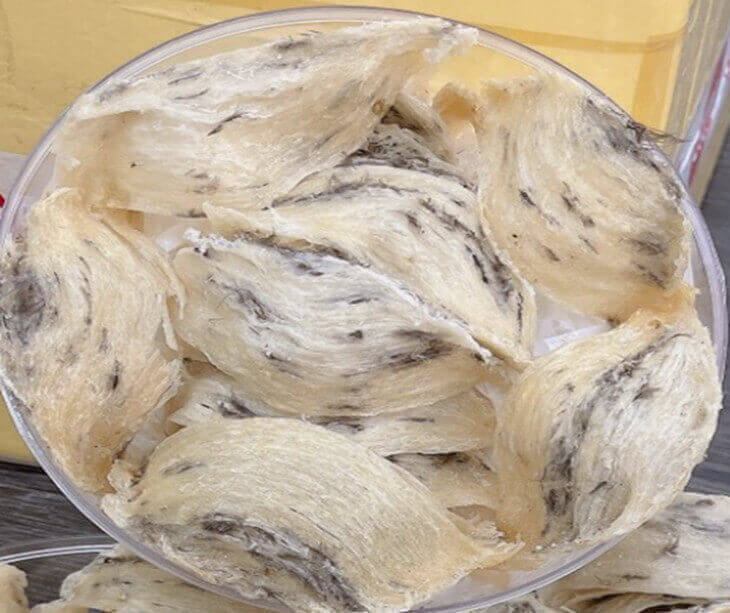
The bird's nest farming profession has a characteristic different from many agricultural industries: the flocks of birds fly out to find food on their own and choose where to nest by themselves. Farmers cannot force them to stay; the birds stay because the environment provides enough food, quietness, and safety. Therefore, the story of environmental protection is not only a social responsibility but also directly linked to the stability of the bird's nest house. The article gathers issues about ecology, the location of bird's nest houses, energy, water, waste, and packaging into a to-do list. The content is directional; each locality and each facility has its own conditions.
Swiftlets and the ecosystem
Swifts catch insects flying in the air to eat. Generally speaking, this means that swift colonies depend on the diversity of insects in the area around the swift house: fields, orchards, rivers, forests, mangrove forests. When the area around the swift house is heavily treated with pesticides, polluted, or loses green space, the food source may decrease; this is why many farmers are concerned about clean cultivation around their houses. Swifts are also species that need to be protected from illegal hunting, see The government bans hunting swifts. There is currently no accurate general number for "how many insects each swift colony eliminates," so the article does not provide specific figures.
1. Choose the location and design of the swift house
- Choose a place with natural food sources and low air, water, and noise pollution; avoid areas near heavy industrial zones or landfills.
- Utilize natural ventilation and shading to reduce electricity consumption for microclimate air conditioning.
- Durable, low-odor materials that are easy to clean; limit harmful chemicals in paint and waterproofing treatments.
- Drainage and bird droppings treatment system to prevent odors and avoid polluting the surrounding residential area.
- Comply with local planning and noise regulations, see legal conditions for swiftlet farming.
2. Manage the microclimate more effectively
swiftlets houses usually require cool temperatures and stable high humidity. Mist spraying, fans, insulated roofs, and temperature and humidity measurement systems help adjust at the right time instead of running equipment continuously. Sensors and remote monitoring systems help detect anomalies early, see applications of technology in swiftlet farming. Measurements also provide data to understand actual electricity and water consumption.
3. Energy and water
- Solar power or energy-saving sources may be suitable for fans, speakers, lights, and pumps where conditions allow; it is necessary to compare investment costs and payback time.
- High-efficiency equipment and a reasonable operation schedule (do not run continuously when not needed).
- Processing water: Clean the bird's nest using clean water; it can be reused or treated before discharge. The water source also affects product quality, see food safety with bird's nest.
4. Waste and hygiene
Bird droppings, feathers, impurities, wastewater after cleaning, and packaging waste need to be collected, sorted, and disposed of according to regulations. Treated bird droppings can be used as fertilizer following technical instructions; they should not be discharged directly into canals or streams. Good hygiene also reduces the risk of disease and unpleasant odors for neighbors.
5. Packaging and packing
Packaging protects products from moisture and impact, so it cannot be eliminated, but waste can be reduced: use appropriately sized boxes, limit unnecessary plastic layers, and prioritize paper or recycled materials while still ensuring food hygiene. For gift boxes, choosing simple wrapping helps reduce waste while remaining elegant, see wooden boxes or plastic boxes.
6. Adapting to climate change
Prolonged heat, storms, and seasonal changes can affect food sources and the indoor microclimate. Breeders should monitor weather forecasts, check roofs, drainage, backup power sources, and consult with local associations to learn from experience, see the role of the association. There is no general formula as each region is different.
7. Experiential tourism and community education
Some facilities open for visitors to bird's nest houses or processing workshops to introduce the process. This should be organized in a way that does not disturb the birds, does not cause pollution, and complies with food hygiene, requiring coordination with local authorities.
Quick checklist for bird's nest houses
- The environment around the bird's nest house still has insect sources, with little pesticide and pollution.
- There are plans to control noise, odor, and wastewater.
- Monitor temperature, humidity, electricity, and water; record to improve.
- Sorting and handling waste; limiting excess packaging.
- Update local regulations and participate in experience-sharing networks.
Frequently Asked Questions
Does swiftlet farming cause pollution?
If poorly managed (noise, fecal odor, wastewater), yes. Properly designed and operated swiftlet houses usually significantly reduce these problems, but compliance with planning is necessary.
How can bird's nest buyers support sustainable swiftlet farming?
Choose sellers that publicly disclose the source, do not buy products of unclear origin that may be related to illegal harvesting, prioritize compact packaging.
Note: Bird's nest is a food, not medicine, and does not replace medical treatment. The information in this article is for reference only and does not replace advice from doctors or nutrition experts. Individual responses may vary.
You can view Yến Sào Quang Minh's bird's nest products or call the Hotline 0963 11 59 52 (Ms La) to get answers about the origin and specifications of the products.