
How is a bird's nest formed? From the saliva of swiftlets to the dry nest, and why is each nest different
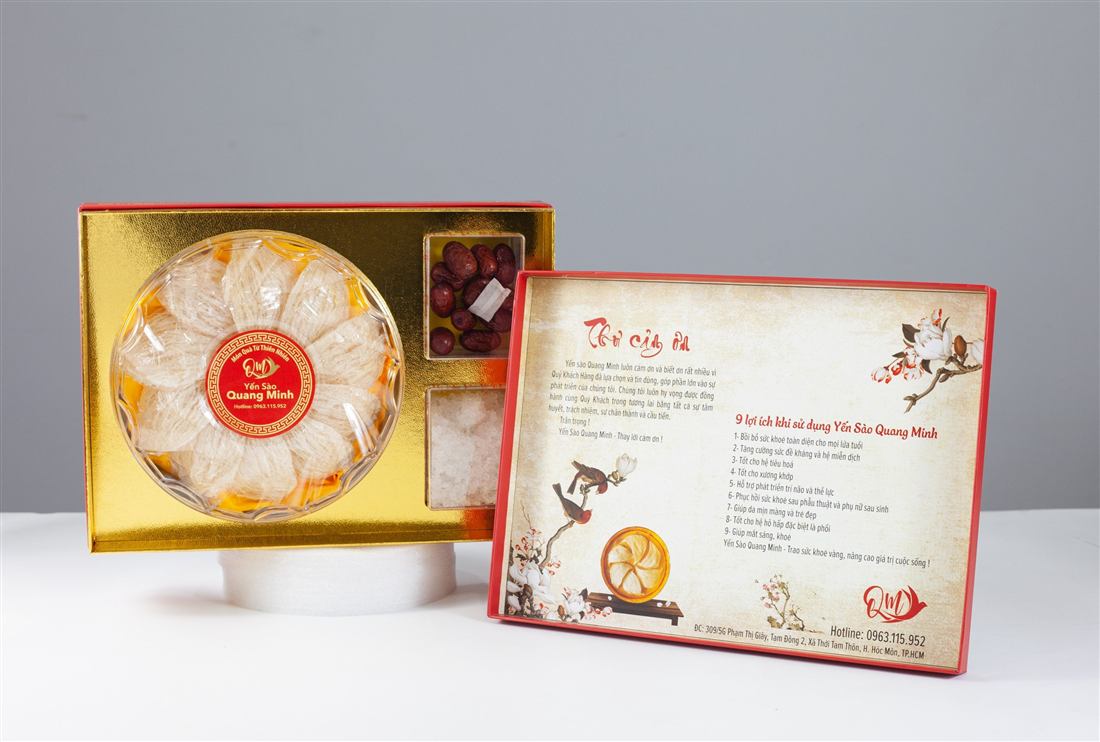
A bird's nest looks like white threads woven into a small cup shape. How is it formed, why are some nests thick and some thin, some clean and some mixed with feathers? This article explains the nest formation process in an easy-to-understand way, based on common descriptions of swiftlets that produce edible nests. Biological details may vary by species; the article does not provide unverified specific data.
Material: saliva
Swiftlets secrete saliva, usually described as coming from the sublingual glands, particularly well-developed during the breeding season. This saliva is rich in protein, in a viscous form, and hardens when exposed to air. Birds use this saliva as 'cement' to attach their nests to walls.
Building the nest layer by layer
- Birds choose attachment points on walls or wooden beams inside swiftlet houses.
- Birds smear lines of saliva repeatedly, each line leaving a fine thread.
- The threads overlap, gradually dry, and stick together to form a bowl shape.
- This process lasts for several days; the exact time varies.
It is these layers of threads that create the fibrous texture you see when soaking the nest.
Why are nests different?
- Thickness and shape: depend on the amount of saliva the bird secretes, the nest location, and the conditions where the nest is made.
- Color: from ivory white to light yellow, sometimes reddish-orange; see what is blood bird's nest and soaked bird's nest turning yellow or changing color.
- Feathers and impurities: birds may drop feathers into the nest, and dust and small particles may stick; the level varies depending on the environment.
- Nest shape: depends on the area and structure of the attachment site.
From raw nest to clean product
After harvesting, the nest still contains feathers and impurities, so it needs preliminary processing: soaking, picking out feathers, cleaning, shaping, and drying. These steps are labor-intensive and cause weight loss, see how to pick feathers from raw bird's nest and raw and refined bird's nest. An overview of the journey from the bird's nest to the bowl of bird's nest.
Main components of the nest
Bird's nest mainly consists of protein along with a small amount of carbohydrates, minerals, and water; see nutritional components of bird's nest. The fact that the nest is made from saliva does not mean it is absolutely safe or beneficial; quality depends on the hygiene of the birdhouse, processing, and storage.
What to know when buying:
- Each nest being different is normal; do not use shape to conclude authenticity.
- A nest that looks 'perfect' does not always occur naturally; rely on the origin profile.
- Ask about the processing and testing procedures: see food safety with bird's nest.
Frequently Asked Questions
Are birds harmed when taking the nests?
Harvesting at the right time, gently, after the chicks have left the nest helps minimize impact, see bird’s nest harvesting season.
Are bird's nests made from seaweed as rumored?
No; edible bird's nest comes from the saliva of swiftlets; contrary information needs to be verified.
Related articles: guide to using bird's nest · preserving bird's nest · distinguishing real and fake bird's nest · safely buying bird's nest online.
Note: Bird's nest is a food, not medicine, and does not have the effect of replacing medicine for treating diseases. The information in this article is for reference only and does not replace advice from doctors or nutrition experts. People with a history of food allergies, those undergoing treatment, or those who need to control blood sugar should consult a doctor before use. Individual responses may vary.
You can view Yến Sào Quang Minh's bird's nest products or call the Hotline 0963 11 59 52 (Ms La), message Zalo to get answers about product specifications.